Neurodivergence & Creative Psychotherapy
Neurodivergent people can experience, process and communicate with the world in many different ways. Therapy should not require you to fit into one particular way of thinking, communicating or relating.
I offer creative psychotherapy for neurodivergent children, young people and adults, including autistic people and those with ADHD, as well as people who identify as neurodivergent or are exploring what neurodivergence may mean for them.
You do not need a formal diagnosis to access therapy.
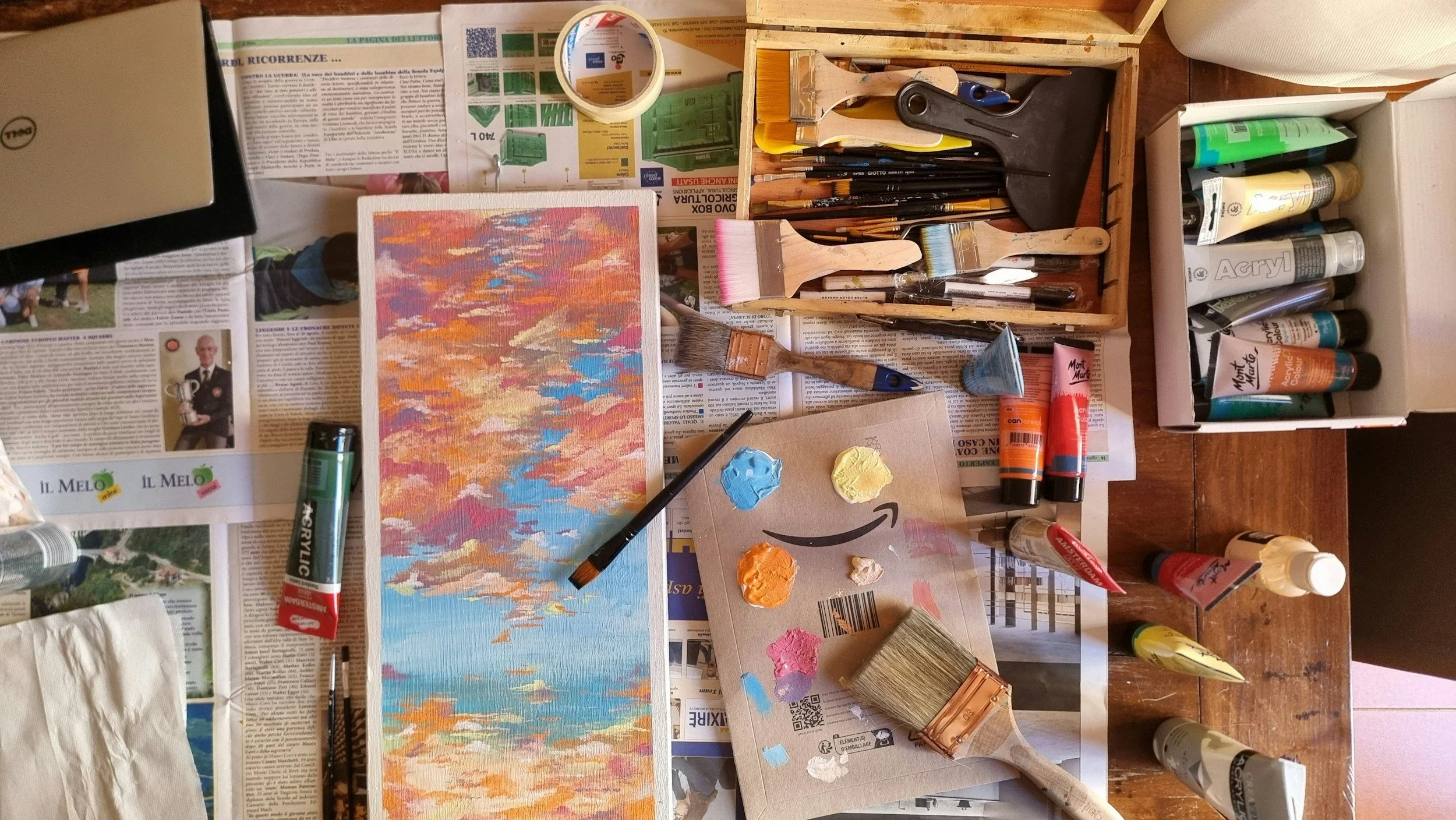
A space where you can be yourself
Traditional talking therapy does not suit everyone. Finding the right words, answering direct questions, maintaining eye contact or sitting and talking for an entire session can sometimes feel uncomfortable, demanding or simply unhelpful. Creative psychotherapy offers other possibilities.
Depending on what feels right for you, sessions might involve art-making, play, imagery, metaphor, movement, sensory materials or conversation. Equally, you may prefer not to use creative materials at all. There is no expectation to communicate or participate in a particular way. My aim is to understand how you experience and make sense of the world, rather than expecting you to adapt to a predetermined model of therapy.
What we might explore together
Neurodivergence itself is not something I approach as a problem to be fixed. However, neurodivergent people may seek therapy for many of the same reasons as anyone else, as well as experiences that can be connected to living in environments that do not always accommodate neurological differences. Therapy might provide space to explore anxiety, overwhelm, emotional regulation, relationships, identity and self-understanding, sensory experiences, masking, burnout, transitions or difficult experiences from the past. For some people, receiving or exploring a diagnosis later in life can also bring a mixture of feelings. Therapy can offer space to make sense of what this means for you and how you understand your experiences.
Working at your pace
I take a relational, creative and trauma-informed approach. Sessions are adapted around the individual rather than expecting the individual to adapt to the therapy. This can include considering communication preferences, sensory needs, predictability and pacing. We can talk together about what helps you feel comfortable and what might make the therapeutic space more accessible. There is no requirement for eye contact, and periods of quiet are welcome. Where possible, we can find ways of working that reduce unnecessary pressure and allow you to engage in a way that feels natural to you.
Children and young people
For neurodivergent children and young people, creative approaches can provide ways of communicating and exploring experiences without relying entirely on spoken language. I recognise that a child or young person exists within a wider network of relationships and environments. Where appropriate, I can work collaboratively with parents, carers, schools and other professionals while maintaining clear therapeutic boundaries and protecting the child or young person’s therapeutic space.
My focus is not on making a child appear less neurodivergent. Instead, therapy can support greater understanding of their experiences, emotions, relationships, needs and individual ways of being in the world. You don’t need to have everything figured out. You may already identify as neurodivergent, have a formal diagnosis, be awaiting assessment, or simply be beginning to wonder whether neurodivergence forms part of your experience.
You do not need to arrive with the right terminology or a clear explanation of what you need from therapy. We can begin with where you are.